Picture this: You’ve just bought your dream home. Everything checks out, the roof looks solid, the kitchen is gorgeous, and the home inspection went smoothly. But three weeks after moving in, your toilets start backing up, your basement smells like sewage, and a plumber tells you the sewer line is cracked. You’re now staring down a $10,000 repair bill.
All of this could’ve been avoided with one simple step: a sewer scope inspection.
Let’s break down what a sewer scope inspection is, what it involves, and why it should never be skipped, especially if you’re buying a home.
What Is a Sewer Scope Inspection
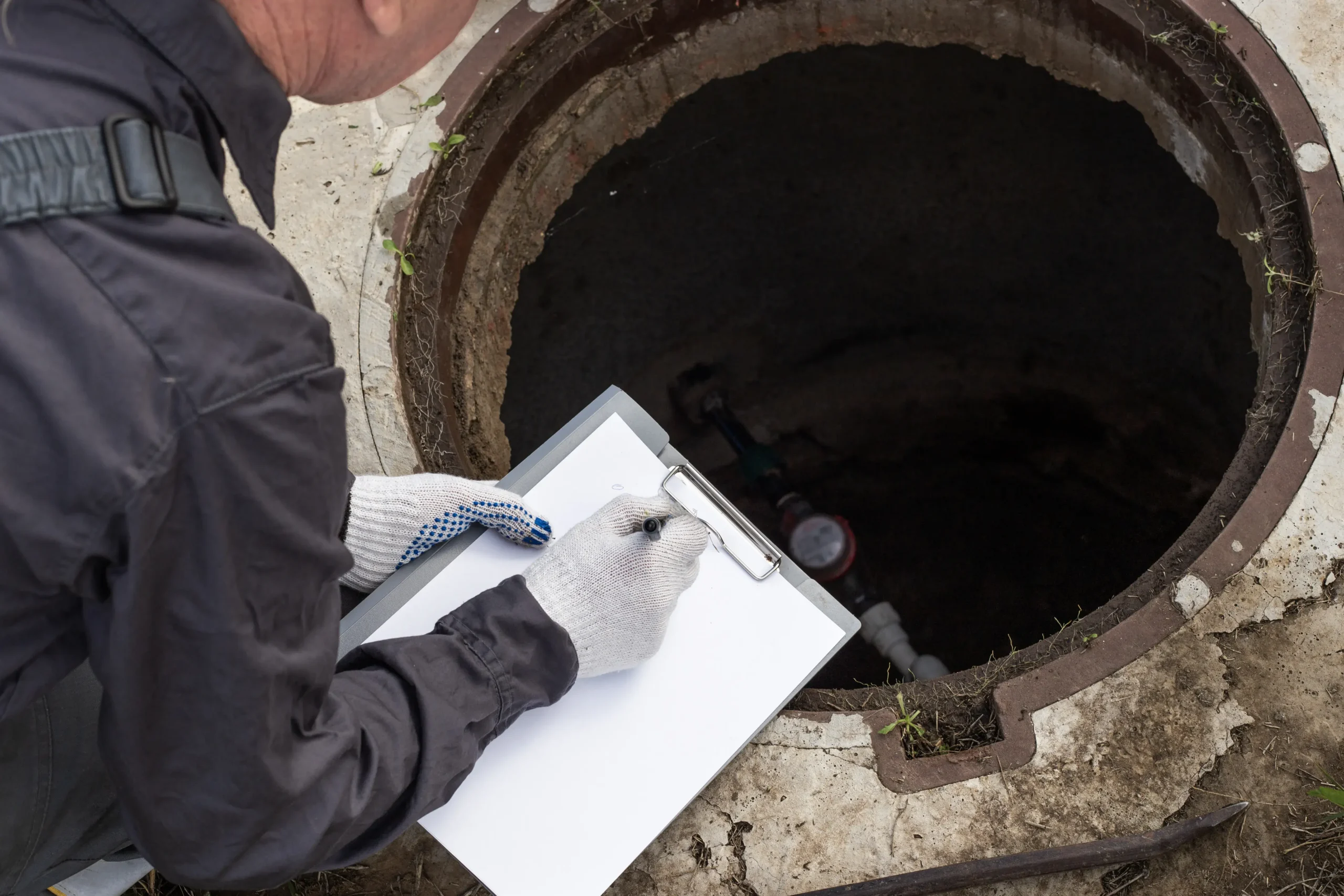
A sewer scope inspection is exactly what it sounds like. A trained technician runs a small, waterproof camera through the home’s main sewer line, typically from a clean-out pipe or a drain. This camera sends back a live video feed that shows the condition of the underground pipe all the way to the connection with the city’s sewer system or septic tank.
It’s a non-invasive way to check if your home’s sewer line is clear, intact, and functioning properly.
Why Sewer Scope Inspections Matter for Homebuyers
If you’re in the market to buy a home, you already know inspections are part of the deal. However, most people think of roof leaks or mold in the attic, rather than underground sewer issues.
A sewer inspection for homebuyers is just as necessary as a general home inspection. In fact, skipping it is one of the most expensive mistakes a buyer can make.
Here’s why:
-
Underground = Out of Sight
Sewer lines are buried and rarely inspected unless there’s already a problem. That makes them easy to overlook.
-
Big Problems, Big Money
Repairs for collapsed or damaged sewer lines can range from $2,000 to $10,000 (40 linear feet), depending on the depth and location—the national average hovers around $150 to $3,800.
-
Old Pipes, New Headaches
Homes built before the 1980s often have clay or cast-iron pipes. These materials degrade, crack, or collapse with age.
What’s Actually Involved in the Process
Here’s what to expect:
Access the Line
The technician locates an access point, such as a cleanout, floor drain, or toilet removal, to insert the camera.
Camera Insertion
A flexible rod with a high-resolution camera is pushed through the pipe. It records as it moves through.
Live Monitoring
The inspector watches the footage in real-time to spot issues such as roots, cracks, low spots (bellies), corrosion, or blockages.
Video Report & Findings
You’ll receive a detailed report, and in most cases, a copy of the video footage. This reveals what’s happening beneath the surface.
What Can the Inspection Uncover
A sewer scope can detect problems that a regular home inspection won’t catch. Here are some common ones:
-
Tree Root Intrusion
Roots love to find their way into joints and cracks, causing blockages or pipe breaks.
-
Pipe Collapse
Older materials like clay are prone to collapse over time.
-
Offset Pipes
Ground movement or poor installation can cause pipes to shift or misalign.
-
Corrosion and Scaling
Cast iron pipes can corrode and accumulate internal scale, restricting the flow.
-
Blockages
Grease, wipes, or debris can clog the line, resulting in backups.
-
Low Spots (Bellies)
These sections collect waste and water, which can eventually cause backups.
When Should You Get a Sewer Scope Inspection
A good rule of thumb? If the home is more than 20 years old, has large trees nearby, or has a history of sewer issues, consider getting a sewer scope done.
But even newer homes aren’t immune. Construction debris, improper installation, or shifting soil can still cause trouble.
It’s a small upfront cost that can save thousands later.
How Much Does a Sewer Scope Inspection Cost
Most sewer scope inspections cost between $150 and $350, depending on your location and the complexity of the job.
Compared to the cost of digging up and replacing a damaged line, it’s a bargain.
Real Stories, Real Consequences
Homebuyers often learn the hard way. Take the case of a family in Colorado who skipped sewer-line inspection and later discovered a collapsed outflow pipe. They paid about $9,000 to replace part of it. The pipe had been compromised for years, but no one checked.
In another case, a homeowner had a sewer scope inspection done before closing. The report showed damage and the need for pipe replacement. They paid $8,700 for sewer line replacement.
Conclusion: It’s a No-Brainer
If you’re buying a home, especially an older one, a sewer scope inspection is not optional; it’s essential. It gives you peace of mind, bargaining power, and most importantly, a clear view of what’s happening underground.
You wouldn’t buy a car without looking under the hood. Then, why buy a home without looking under the yard?
At Top To Bottom Services, we specialize in thorough, professional sewer scope inspections you can trust. Our licensed inspectors use state-of-the-art camera systems to uncover issues before they become costly disasters.
Whether you’re buying your first home or your fifth, don’t leave anything to chance. Let us help you see the whole picture, above and below ground.
Schedule your sewer scope inspection with us today and buy your home with confidence.