Let’s say you have moved into your dream home. All of this is fantastic until the first downpour of rain causes your basement to flood. The culprit? A broken sewer line that no one told you about.
This scenario is more common than you’d think, and it’s why sewer scope inspections are one of the smartest moves a homeowner or buyer can make. They reveal the issues from deep underground that should never be overlooked, as the cost of it could reach thousands of dollars.
Let’s go over the most common sewer inspection problems, explain how they work, and show how they save homeowners from major headaches.
So, What Is a Sewer Scope Inspection
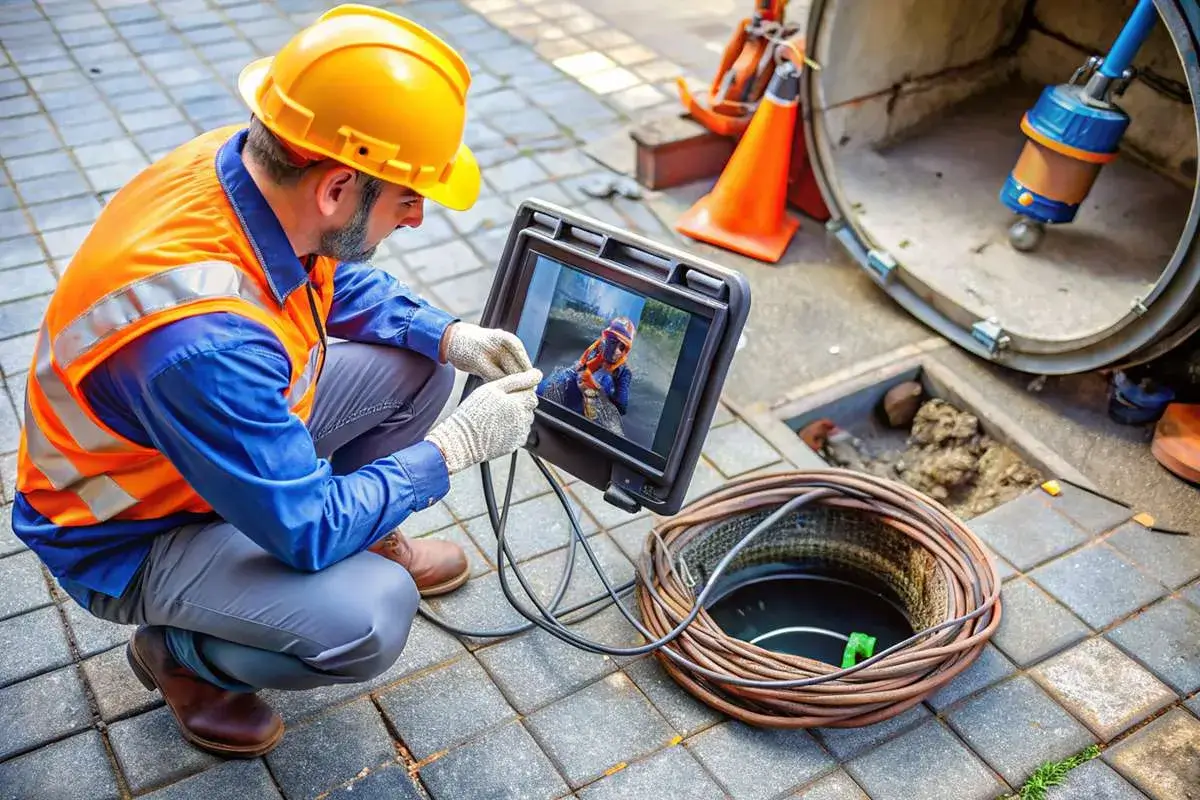
Sewer scope inspection is a very practical and powerful diagnostic tool. A flexible and waterproof camera, connected by a long cable, is pushed through the main sewer pipeline of a home, often from a clean-out or exterior access point.
The camera sends live video and pictures of what is inside, allowing people to view it. This is used to detect cracks, blockages, corrosion, and other damages in real-time, sometimes before the damage leads to backups or severe failures.
Why This Is Important
A failed sewer line is not only an unpleasant situation, but also a costly one. Sewer line repairs can range from $1,390 to $3,320, and full replacements can exceed $5,000, depending on the extent of the problem.
Early detection through sewer scope inspections can save you thousands and help you avoid health risks, property damage, and nasty surprises.
Common Sewer Problems Found During Sewer Scope Inspections
To begin with, let us consider the most common problems identified as a result of such inspections.
Tree Root Intrusion
Tree roots are the #1 enemy of older sewer lines. Roots will always grow in the direction of moisture, and small holes in pipelines will provide them a welcome entry. After getting in, they increase in size and either block spaces or burst the pipe.
Homes built before 1980, especially in tree-rich areas like Portland, are significantly more likely to experience tree root intrusion, as clay, cast-iron, or terra cotta pipes deteriorate and permit root entry over time
Pipe Corrosion
Rust and corrosion in cast iron were likely to occur, which were widely used till the introduction of modern types of pipes in the 1970s. With time, they crack, deteriorate, and collapse.
ConsumerNotice.org reports that cast iron pipes, common in homes built before the 1970s, often corrode internally, developing rust and narrowing the pipe’s interior. Homes in South Florida built as recently as 1975 have seen early failures, costing $10,000 to $30,000 or more for replacements and related damages
Bellied or Sagging Pipes
In some instances, sewer pipes are partially sinking due to soil movement or improper fitting. The waste and water accumulate in their bellies, causing blockages and backups.
This problem is difficult to identify without a camera, as it is possible that the water is still moving, albeit slowly. Unattended, bellies have the potential to deteriorate in the future, leading to repeated clogs.
Offset / Disconnected Joints
Improper installation or soil movement may alter the alignment of the pipe joints. These offsets form tiny gaps, and debris is trapped, restricting water flow.
In worst cases, joints fall apart and sewage spills out into the ground.
Build-Up Of Grease and Trash
Even the strongest of pipes can clog up after years of grease being disposed of down the drain. Although this might be thought of as a kitchen sink problem, it turns into a total sewer problem as the blockage starts to affect the main line.
The sewer scopes usually uncover greasy messes, food waste, or even non-biodegradable materials that should never be put down there, such as wipes or feminine sanitary products.
Fissures and Breaks
Pipes can crack due to age, shifting soil, or pressure from above (like heavy vehicles or construction equipment). These leaks may cause sewage to overflow and, in some cases, even attract rodents or insects.
There are cracks that can be repaired, and there are those that necessitate replacing the entire pipe. Sewer scope inspections can inform you of the difference, so you don’t call in the backhoe.
Real Life: Denver Buyer Shares A Horror Story
A Denver resident shared on Reddit that after getting their main sewer line scoped, the technicians identified two offset sections and a significant pipe belly caused by root intrusion. The projected cost to replace the exterior sewer line, including sidewalk replacement, was approximately $25,000.
The Process of Sewer Scope Inspection
An inspection lasts between 30 and 60 minutes. You will receive the video and a comprehensive report detailing the condition of your sewer line, along with relevant notes and observations.
Problem areas will be marked, and the material of the pipes will be noted, along with recommendations on whether they should be repaired or replaced.
Tip: Conduct the inspection before closing in a house. In this way, you will have the opportunity to negotiate repairs or credits as part of the purchase arrangement.
New Houses Are Not Safe All the Time
You’d think that a new house would be free of defects. Well… that’s not the case. Construction debris, poorly installed pipes, or soil settling can cause sewer inspection problems even in homes less than five years old.
Inspections reveal things carelessly discarded by the builders, such as broken PVC pipes, soda cans, and cement chunks.
Final Thoughts
Sewer scope inspections might not be the most glamorous part of homeownership, but they’re easily one of the most important. They are bringing literal light to unknown issues that may cost you thousands of bucks.
Knowing what is happening in and around your home can put your mind at ease and save you money in the long run.
Top To Bottom Services offers comprehensive sewer scope inspections that help you spot problems before they become disasters. We employ licensed inspectors who use a camera and other diagnostic equipment to provide you with an accurate picture of your underground plumbing.
Book your sewer scope inspection with Top To Bottom Services today and keep your home running clean and safe.