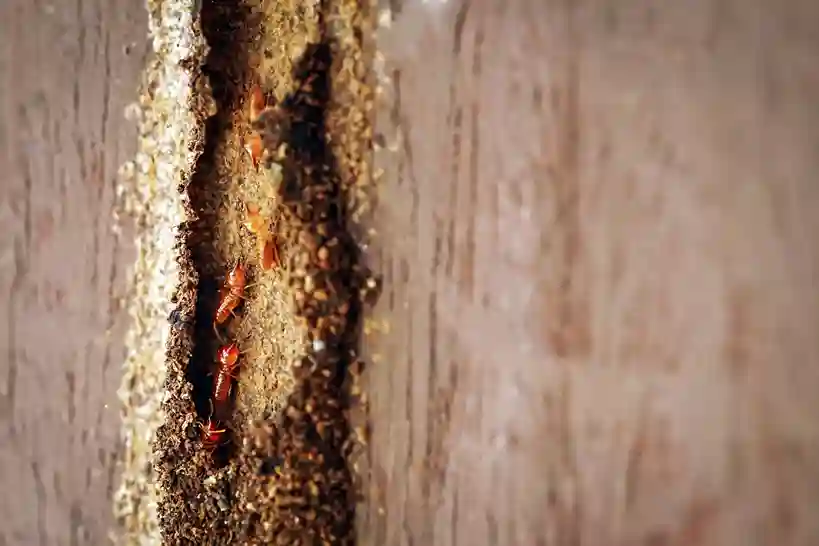
The last thing you need to think about when buying a home, and before signing, is a secret colony of termites eating your property away silently. Unfortunately, the ugly truth is that infestations by wood-destroying insects in the U.S. cost homeowners over $5 billion every year. Worse still, termite damage will not be covered under most homeowner insurance policies.
That’s why getting a professional termite inspection before buying a house is one of the smartest things you can do. In this blog, we will guide you through the important questions to ask about termites, so that when you enter your new house, you will have done your homework, you will come prepared, and avoid getting caught in a tight situation.
Why a Termite Inspection Matters
According to pest control statistics, approximately 600,000 homes in the United States are damaged by termites annually. Homeowners typically spend an average of $3,600 to fix it.
A dedicated termite inspection provides a clear snapshot of the risk, including the property’s condition, any active infestations, and potential vulnerable spots. This information can alter your buying decision or strengthen your negotiating position.
Questions to Consider During the Contract Stage
The following are questions to be raised (or rather requested to be added to the agreement) by you before signing:
Has a termite inspection been done already? When and by whom
If an inspection has been conducted previously, ask for the report. Who checked it, and were they licensed or certified? An up-to-date report from a reputable company can save time; however, it is essential to review it thoroughly.
What did the inspection cover, and what did it find
Was there any active infestation, previous damage, or moisture problems (as termites like moist wood) mentioned in the report? Was the foundation, crawl space, attic, and the interior framing/exterior wood inspected? A full termite inspection should cover both visible and hidden areas.
If the report only covers some areas of the house, conduct a more detailed inspection on your own.
Is there a termite treatment or warranty in place
If the seller or a former homeowner treated the house for termites, request documentation of what was treated, when, and under what conditions the treatment was performed. Is there any warranty on the property’s treatment? Without one, more infestations might land on your doorstep.
Has the termite or the wood-destroying insect (WDI) damaged anything
Even if live termites are not found, evidence of past damage remains important. Ask: What is the extent of past damage? Was it repaired, and how? Preferably, you should have receipts or paperwork from the contractor.
A noteworthy stat: The repair cost associated with termite damage is usually not insurable: i.e., you are shouldering that risk on yourself when you ignore it.
What are the preventive measures in place
Termites don’t appear overnight. Are the termites-resistant materials used in building or treating the property? Are there moisture shields, adequate drainage, and wood in direct contact with soil? These factors impact termite risk.
Also, inquire: When was the last inspection, and how frequently is the inspection scheduled? Regular inspections ensure that issues are identified early and that repair costs are lower.
Is there anything that can attract termites
Furnishing, wood, piles of firewood, or decks or shrubs near the house: all welcome termites. Inquire about such things as: Is there a crawl space? How accessible is it? Do we see any of the so-called mud tubes (tunnels made by the termites)? Being aware of what may appeal to them allows you to anticipate potential future risks.
Real-world Examples
A Maryland house buyer discovered significant undisclosed termite damage soon after purchasing a home that had undergone renovation.
The vendor was a property investor (a flipper) whose advertisement claimed that the house had been recently renovated.
A pre-closing report indicated termites in a corner of the basement, but upon moving in, the buyer discovered the damage was significantly more than expected. The buyer filed a lawsuit and ultimately received a settlement of $138,000.
Another case involved a licensed pest-control company conducting a termite inspection (also termed a WDI inspection) before a home sale.
There was significant damage to the frame and joists caused by termites that was overlooked during the inspection.
Once the buyer moved in, the repairs were estimated to cost approximately $90,000. The inspection company settled for $125,000.
The Cost of Skipping Inspection
Skipping a termite inspection may seem like a way to save money upfront, but the risk is real. Consider this:
- The average cost of homeowners paying to restore termite damage is $3,600.
- Termites inflict greater cumulative damage than most natural disasters.
In many cases, it will not be covered by insurance. Then, when you buy without investigation, you can be left to your own devices.
How to Move Forward Without Hesitation
Before you sign:
- Schedule a dedicated termite inspection if one hasn’t been done recently (within the last 6-12 months).
- Request the report and analyze it.
- Use the inspection findings in your negotiations: consider requesting that the seller fix the issue, provide credit, or lower the price.
- Be sure to add a provision to your contract that ensures the closing is contingent on a satisfactory termite/WDI inspection.
- Once it is purchased, you will also want to establish a termite inspection routine (including regular inspections, moisture control, etc.).
Conclusion
Buying a home is exciting. However, beneath the fresh paint and the modernized kitchen lie unknown dangers, such as termites. A thorough termite inspection, asking the right questions at contract time, and informed negotiation give you peace of mind and help you avoid costly surprises.
When you take this as another item on your checklist, you run the danger of buying more than you can afford.
Ready to take action? Do not wait till the closing is made. Reach out today to schedule your termite inspection and finalize the contract clauses so that you can move into your new home without unwelcome guests.
Call Top To Bottom Services if you are in the process of purchasing a house and want to ensure that termites will not destroy your investment.
We specialize in home inspections and enjoy a good reputation for conducting detailed termites and WDI inspections, clear-cut reporting, and professional advice. Set up your inspection today.