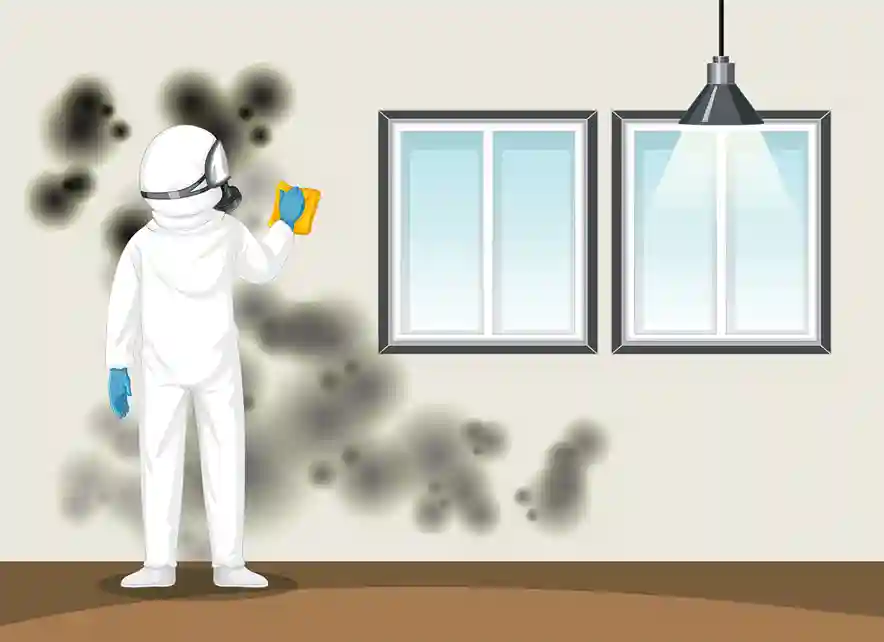
Mold can grow in places you do not see, and the signs are easy to miss. You might notice more allergy symptoms, a lingering musty smell, or small damp areas around your home.
These small clues can point to hidden mold that affects both your health and your property.
Let’s break down the common signs of hidden mold, how it can impact your well-being, and what steps you can take to address the problem early.
Why Hidden Mold Matters
Often, we focus on visible mold, but the real problem is the stuff we can’t easily see. According to the Environmental Protection Agency (EPA), mold may begin growing when spores land on wet surfaces, and it can grow inside walls, behind wallpaper, under carpet pads, or in HVAC ductwork.
One recent summary says that nearly 47% of U.S. homes may be affected by mold in some way.
So if you’re thinking “nah, mold isn’t in my house,” you may want to pause. The fact is, this is more common than many realize, and if you ignore it, your health and your home’s value might pay the price.
Common Signs of Mold in Home
Here are some key indicators that your home may have hidden mold. We’ll discuss each one with what to look for and why it matters.
You smell something musty
If you walk into a room and get that “old books / damp basement” vibe, even when it’s not raining, your nose might be the smartest detector you’ve got. The EPA points out that if a building smells moldy but you can’t see the source, mold may be hidden.
Smells trigger our alarm bells for a reason; they often come from microbial volatile organic compounds (MVOCs) released by mold.
So pay attention to those subtle wafts of odor.
Unexplained allergy or respiratory symptoms
Have you been dealing with more sneezing, coughing, itchy eyes, or sinus issues, and nothing seems to help? Mold could be the culprit.
According to MoldGuides, symptoms such as chronic coughing, sneezing, or skin irritation can signal mold exposure, even if you don’t see mold.
A recent survey found that homeowners were more aware of classic symptoms, such as coughing (44%) and sneezing (36%), but less aware of subtler ones.
If your symptoms improve when you leave your house and worsen when you’re back inside, that’s a red flag.
Visible signs of moisture or damage
If paint is bubbling, wallpaper is peeling, flooring is warping, or discoloration is appearing on walls, these are classic clues that moisture is hiding behind the scenes.
Mold often thrives in dark, damp areas, such as behind drywall, under carpets, or inside ductwork.
The California Department of Public Health also lists the same signs (visible water damage, moisture, and mold odor) as indicators of increased health risk.
It’s not enough to ignore a damp surface, thinking it’ll just dry; it often won’t without help.
Persistent dampness or high humidity
Even if you don’t see puddles, if you feel the house is clammy, or you see condensation regularly on windows/walls, mold could be lurking.
So if your home feels sticky (especially in basements, attics, or poorly ventilated bathrooms), that’s a sign to take seriously.
A previous water event you thought you fixed
Maybe you had a leaky pipe, roof damage, or basement flooding. You dried it out, or so you think. But unless moisture behind the scenes was eliminated, mold could have taken hold.
The EPA warns that any building that has had water damage and residents are reporting health problems should consider the possibility of hidden mold.
Why Ignoring Hidden Mold is a Bad Idea
It’s not just about ugly walls or smelly rooms; hidden mold can affect your health, your wallet, and your peace of mind.
- Health: Damp indoor spaces and mold are associated with respiratory infections, asthma attacks, and other symptoms, even in individuals without allergies.
- Value & Repairs: The longer you wait, the more damage moisture and mold can cause to structures and finishes, leading to higher repair bills and a more challenging time if you ever sell your home.
- Mental Stress: Continually feeling off, dealing with unexplained symptoms, or worrying about your home environment takes a toll, which often makes matters worse.
What You Can Do (and now)
Alright, so knowing the signs is great, but what can you actually do about hidden mold? Let’s keep it real and actionable.
Inspect regularly
Walk through your home and look behind furniture, in basements, under sink cabinets, and in attics. Use a flashlight, check for dampness, bubbles, and stains.
Control moisture
Fix leaks, improve ventilation (especially in bathrooms and kitchens), use dehumidifiers in damp areas, and aim for indoor humidity below 60%. The EPA emphasizes that mould will not grow if the moisture problem is resolved.
Don’t DIY too far
If you suspect hidden mold behind walls or within ductwork, a professional mold inspection is recommended. According to remediation companies, DIY “spray and paint” approaches may mask the problem but won’t fix hidden growth.
Watch your symptoms
If you and/or your family are experiencing health problems that improve when you’re away from home and worsen when inside, that’s a sign.
Take action early
The more prolonged the moisture and mold are left unchecked, the worse the damage—and the higher the cost.
Get documentation if you plan to sell
If you fix the issue, keep receipts and reports. It helps with resale and gives peace of mind.
Real-World Example
A recent survey by Talker Research for Rainbow Restoration found that 26% of U.S. adults are concerned their homes may be unsafe due to mold risk, even though many thought their homes were “up to code.”
While you might lean toward saying “my home is fine,” the statistics show that many homeowners underestimate the hidden mold risk.
Another example: a California family discovered mold under bathroom tiles after experiencing persistent musty odors, despite the surface appearing clean for years.
These are reminders: you may not see the problem, but it doesn’t mean it’s not there.
Conclusion
If your home has that weird damp feeling, or you’ve been fighting allergy-like symptoms that mysteriously improve when you’re outside, it’s time to listen up.
Hidden mold doesn’t always show dramatic signs, but it does show subtle ones. And your home’s health and your health are linked more closely than you might think.
By recognizing those early signs, a persistent musty smell, unexplained health symptoms, water damage, or dampness, you give yourself a shot at dealing with the problem before it becomes a crisis.
If you’re ready to take action and want a professional’s eye, contact Top To Bottom Services, a home-inspection company that knows how to spot hidden mold and identify trouble areas before they spiral.
With an experienced team, comprehensive moisture and air-quality assessments, and a clear, easy-to-read report, we will help you take back control of your home’s health.
Don’t wait until you’re dealing with a serious, multiple-hundred-dollar repair or health issues; reach out to us today and ensure your home is working for you, not against you.